Thursday, May 30, 2013

How to avoide pesticides on produce - the Dirty Dozen and the Clean 15


EWG's annual shopper's guide to pesticides

We’re lucky that a greater variety of organic produce is getting easier to find in our local stores and markets. But in a way it makes our grocery shopping harder. Having more choice creates a bit of a dilemma: should we buy only organic produce – a more expensive option – or pick and choose what we do and don’t buy organic?

Nobody wants to hem and haw over whether to buy the organic kiwi, which is why I’m hooked on Environmental Working Group’s annual Shopper’s Guide to Pesticides. The guide lists the produce that has the highest pesticide load when it reaches your table along with the produce with the lowest pesticide load.
 
To make their research easy to use the have created the Dirty Dozen (produce with the highest pesticide load) and the Clean 15 (produce with the lowest pesticide load).

Finding a safe and effective sunscreen


Environmental Working Group guide to safe and effective sunscreen
Environmental Working Group's guide to safe and effective sunscreen makes sun safety easy.
When it’s cold out I forget all about sunscreen.  

Even though we half froze over the May long weekend, I noticed on the Sunday night that both of my children had sunburned cheeks from an afternoon spent at an ultimate frisbee tournament.  

It’s the kind of thing I kick myself about because I should know better; sunscreen season is year round not just warm sunny days. 

And so it begins, the annual search for sunscreen that’s safe and effective, a sunscreen that does what it needs to do without being loaded with toxic ingredients that scare me more than sunburns.  

Saturday, April 20, 2013

Pay it forward on Earth Day


Pay it forward day is a random-acts-of-kindness marathon
Pay it Forward Day is coming up on April 25. It’s a random-acts-of-kindness marathon where you spend 24 hours delighting people. It’s about simple gestures, that’s all. Smiles, thoughtful notes and visits, cookies for your neighbours…
The Pay it Forward movement reminds people that initiating simple acts of kindness makes everyone feel better about themselves and the world.

What if we made Earth Day more meaningful this year by adopting the Pay it Forward attitude, practiced acts of kindness towards the earth, beginning on April 22, Earth Day?

Thursday, April 4, 2013

Avoiding processed foods: My four favourite (healthy) 30-minute meals


This is the closest I'll let my kids get to Kraft dinner and its questionable food dyes.
I have a friend who told me one day she looked in her grocery cart and realised that almost everything was in a box. It was a bit of a shock for her to see it all piled together, even though she was the one who put it there.
The environmental impact of processed foods goes beyond all of the packaging. Food additives used in the packaged foods industry come with their own list of concerns. From preserving agents to artificial colours and other additives, the general consensus is that processed foods are contributing to the explosion in chronic diseases.
The additives that concern environmental groups aren’t often on the government’s radar so it’s up to the average Joe to figure it out.
Take Kraft Dinner, for example.

Sunday, March 24, 2013

Six super-easy homemade cleaners that smell great and work


easy recipes for non toxic cleaning using simple grocery store ingredients

Like most people I love that “clean” smell of a freshly scrubbed house. It’s like having your nose confirm that the place is sparkling, no matter that it’s usually synthetic fragrances (found in standard cleaners) that linger in your home.
Fragrances contain phthalates, which are a batch of chemicals known to be hormone disruptors and suspected of causing a whole host of health concerns, including asthma, reproductive issues and thyroid problems. As always, children are most at risk. If an ingredient list includes the words “fragrance” or “perfume”  know the scent is toxic. Even unscented products often contain these ingredients.

Saturday, March 16, 2013

Six fun ways to celebrate Earth Hour with your kids

Thanks to the February wind storm our little neighbourhood was without power for three days. It was a bit of an adventure for the first two days. We slept by the fire in the living room and held my daughter’s evening birthday party by candlelight, craft activities and all. It was fun and memorable but by the third cold early morning the novelty had worn off.

We’ll be back at it again the evening of Saturday, March 23 to celebrate Earth Hour. Except this time it will have all of the fun of the power outage without the worry of pipes freezing.

Wednesday, February 27, 2013

How to reduce vampire power consumption

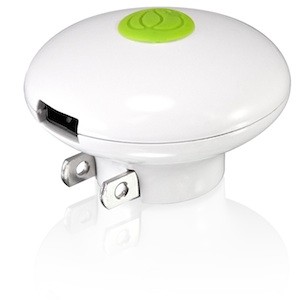
Eco-friendly chargers use zero stand-by power and shut off the power supply when your device is fully charged
Eco-friendly chargers use zero stand-by power and shut off the power supply to a device when it’s fully charged,

Would you ever leave the door ajar in winter, or leave the tap running in the bathroom?
Probably not. 
Nobody wants to waste water or heat. But what we all do without thinking is let our electronics sip away on power while they’re not being used.
Computers, TV’s, DVD players, stereos, your cable box, all suck power when they not in use (off or on standby) powering clocks and other display screens. Microwaves and other small appliances do the same and even our cell phone chargers keep drawing electricity long after our devices are fully charged.  

Monday, February 11, 2013

Are sales receipts toxic? 7 tips to reduce your BPA exposure

7 tips to reduce your BPA exposure from sales receipts
Many sales receipts in Europe are stamped "BPA free" so consumers don't have to worry.

My son came home from school last fall with a new “5-second rule”.
When he saw me sorting receipts from my purse I was told not to touch them for more than five seconds because they’re toxic. That was the buzz at school. Like holding your breath when you drive by a graveyard and honking when you go over a bridge.
But the thing is, the receipt rule is based on fact.

It seems that the thermal paper used for most receipts these days is coated in Bisphenol-A (BPA), an environmental toxin that is a known hormone disruptor and has been linked to reproductive problems and some cancers.

Friday, January 25, 2013

Greening your ride - more eco-friendly transportation


My husband is a huge fan of the Comex. Aside from the fact that it keeps us a one-car family he gets to relax and read his book on the way to the office. The added bonus, it keeps our family`s carbon footprint low.  
 

Transportation is the single largest source of greenhouse gas emissions and air pollution, and among all modes of transportation cars are the worst offenders. According to Saint John Transit, a single public bus takes 40 vehicles off the road during rush hour, reducing air pollutants by nine tones a year.


Taking your car off the road as often as possible has other benefits too. Think of what you’d save on gas, insurance and parking expenses. 

Wednesday, January 23, 2013

Six easy tips for an eco-friendly birthday party

A homemade cake (or other special treat) helps to keep a party authentic and meaningful.

There was a time I wished that I was organized enough to go all out with decorations for my kids birthday parties. But even if I had been organized, I could never bring myself to buy all sorts of disposable plastic stuff. The typical birthday party generates a lot of trash and I just couldn’t do it.

The fact is, parties are often disposable events. You might not set out to have it that way it’s just that most party supplies – from decorations to plates and cutlery –are disposable. Wrapping paper isn’t recyclable, loot bags are often filled with throw-away plastic items and a lot of processed, packaged food gets consumed.